End of tenancy cleaning — what letting agents actually check
“Fair wear and tear” is the phrase that decides most carpet-related deposit disputes, and it’s more specific than it sounds. Here’s what a check-out inspection is actually looking for.
Fair wear and tear vs deposit-worthy damage
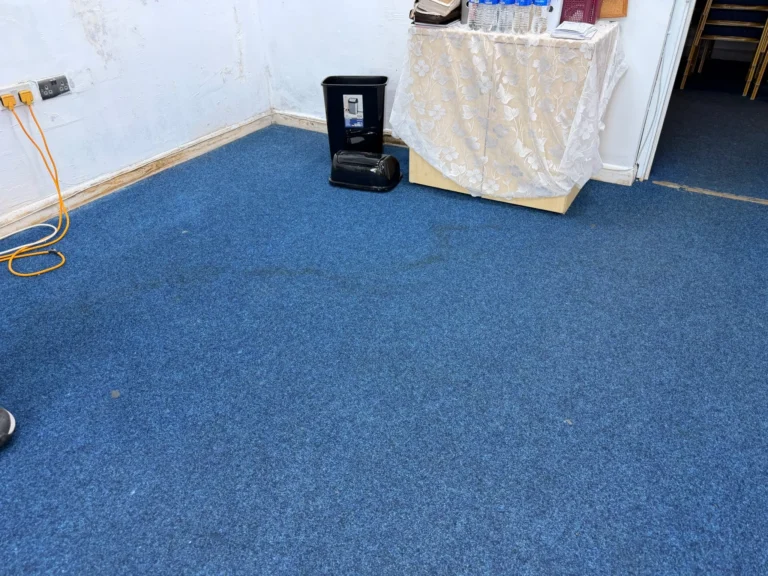
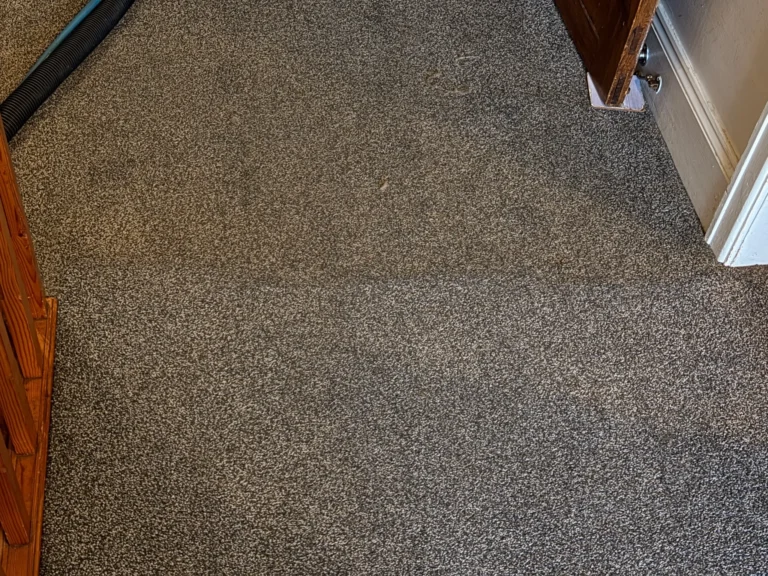
Generally accepted as fair wear and tear: gradual fading from sunlight, slight flattening of pile in high-traffic areas, minor colour change with age.
Typically flagged as damage: stains from spills or pets, burns, odours, and heavy soiling beyond what normal use would cause in the tenancy period.
Why documentation matters more than the clean itself
A carpet that looks clean isn’t the same as proof that it was professionally cleaned, and many tenancy agreements specifically require the latter. A dated completion record or receipt from a professional cleaner is what actually protects you in a dispute — not just the visible result on the day.